Rafael Wolf · 22 September 2026
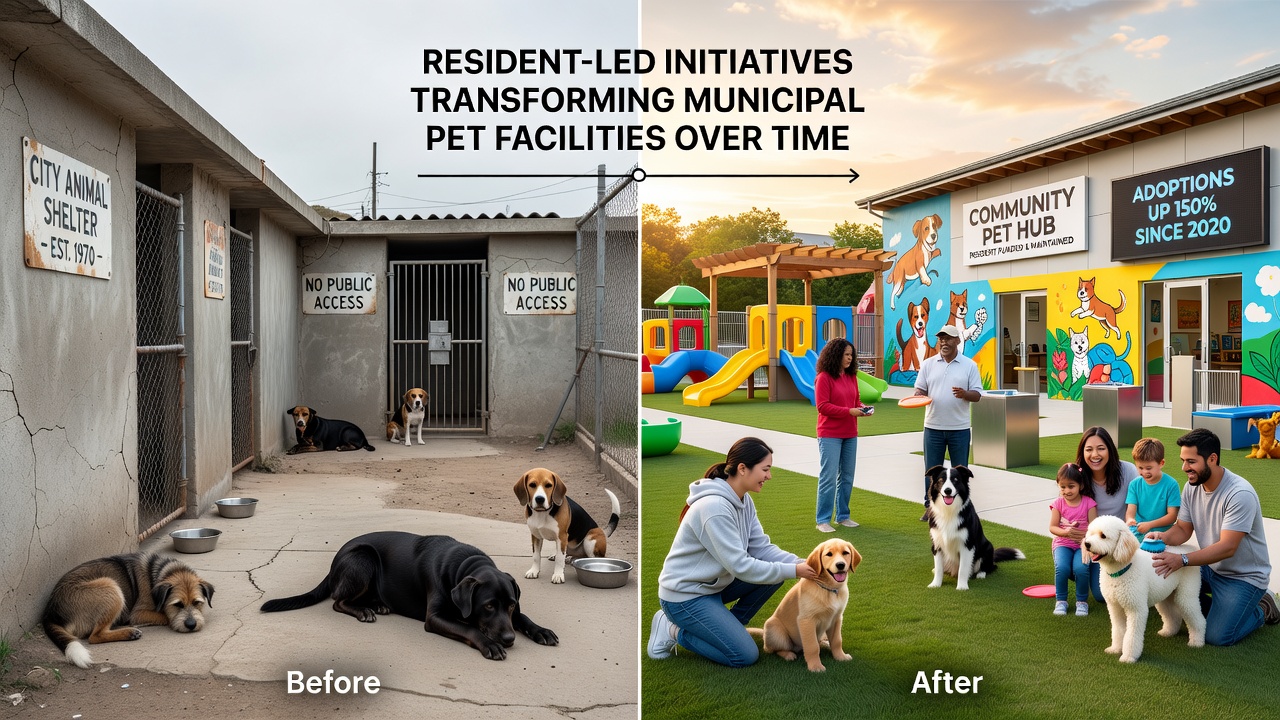
Resident-Led Initiatives Transforming Municipal Pet Facilities Over Time
Communities across multiple regions have shifted how municipal pet facilities operate through sustained resident involvement that began in the early 2000s and continues today. Local groups started by identifying gaps in public dog parks and shelters, then worked with city departments to secure funding, design changes, and maintenance plans that reflected actual usage patterns rather than top-down assumptions.
Early Resident Actions and Facility Improvements
Observers note that initial efforts often centered on basic infrastructure needs such as better drainage, secure fencing, and waste stations. In one documented case from the mid-2010s, neighborhood committees in several mid-sized cities collected usage data over six months before presenting findings to parks officials; those reports led to targeted renovations that increased daily capacity by measurable amounts. Data from municipal records shows participation rates in these volunteer programs rose steadily between 2015 and 2020 as residents recognized direct links between their input and visible upgrades.
Researchers at regional universities tracked similar patterns in both North American and Australian cities, where resident proposals for agility equipment and separate small-dog zones received approval after public comment periods. These additions addressed overcrowding complaints that city staff had previously logged but not prioritized. And while early projects relied on donated materials, later phases incorporated grant applications written jointly by residents and municipal planners.
Expansion Through Organized Networks
By the early 2020s, resident-led networks had formed across city boundaries to share templates for permit applications and volunteer schedules. Figures from the Canadian Animal Health Institute indicate that facilities managed with ongoing community oversight reported fewer closure days due to maintenance issues compared with fully city-run sites. Those networks also introduced educational components such as monthly workshops on responsible pet ownership that coincided with facility reopenings after renovations.
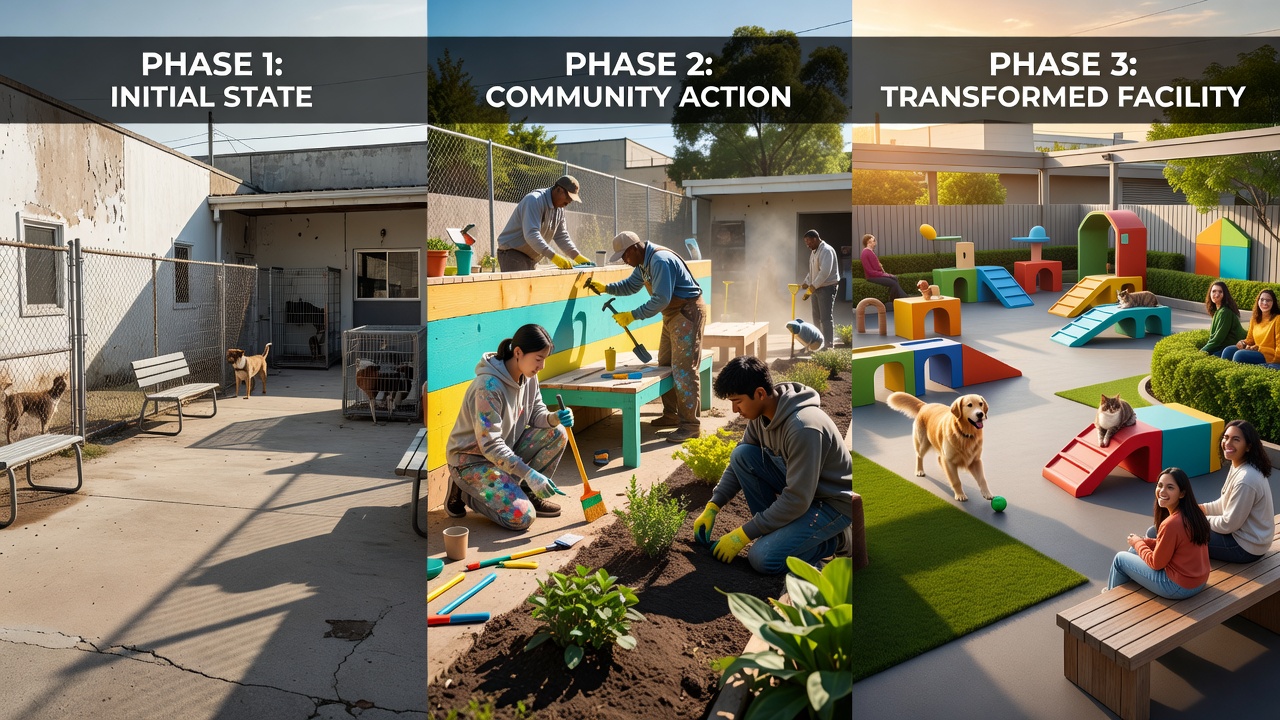
What's interesting is how these groups adapted to regulatory changes. In jurisdictions where animal control standards tightened, residents compiled compliance checklists that reduced inspection violations. One study from the University of Melbourne's animal welfare research unit found that shelters incorporating resident feedback on enrichment items saw adoption rates climb within the first year of implementation. The ball stayed in residents' court for follow-up monitoring, which kept projects aligned with daily realities rather than annual budget cycles.
Data Patterns and Geographic Spread
Evidence gathered through city open-data portals reveals consistent trends: facilities with active resident committees logged higher numbers of repeat visitors and lower rates of reported incidents. Australian government agricultural department summaries from 2023 highlight parallel developments in several states where community input shaped design standards for shade structures suited to local climates. Those summaries also note that joint resident-municipal teams completed projects under budget more frequently when local knowledge informed material choices.
September 2026 marks the scheduled rollout of expanded digital reporting tools in multiple municipalities; residents will contribute real-time observations through standardized apps that feed directly into maintenance dashboards. This step builds on earlier pilot programs that demonstrated faster response times when volunteers flagged issues such as damaged benches or water bowl shortages.
Integration with Broader Municipal Planning
City planners have incorporated resident-generated metrics into long-term facility master plans. According to records maintained by the Federation of Canadian Municipalities, pet recreation areas now appear alongside playgrounds and sports fields in capital improvement lists, reflecting the volume of public requests compiled over successive years. External partnerships with veterinary schools have supplied additional expertise for health protocols that residents helped enforce through daily presence at the sites.
Conclusion
Resident involvement has produced measurable shifts in how municipal pet facilities function, from initial infrastructure fixes to sustained operational input. Records and reports compiled over two decades document the progression, while upcoming digital tools scheduled for September 2026 represent the next layer of coordination between communities and local governments.