Rafael Wolf · 20 October 2026
Investigating How Irrigation Systems Adapt to High Traffic from Four-Legged Visitors in Community Green Zones
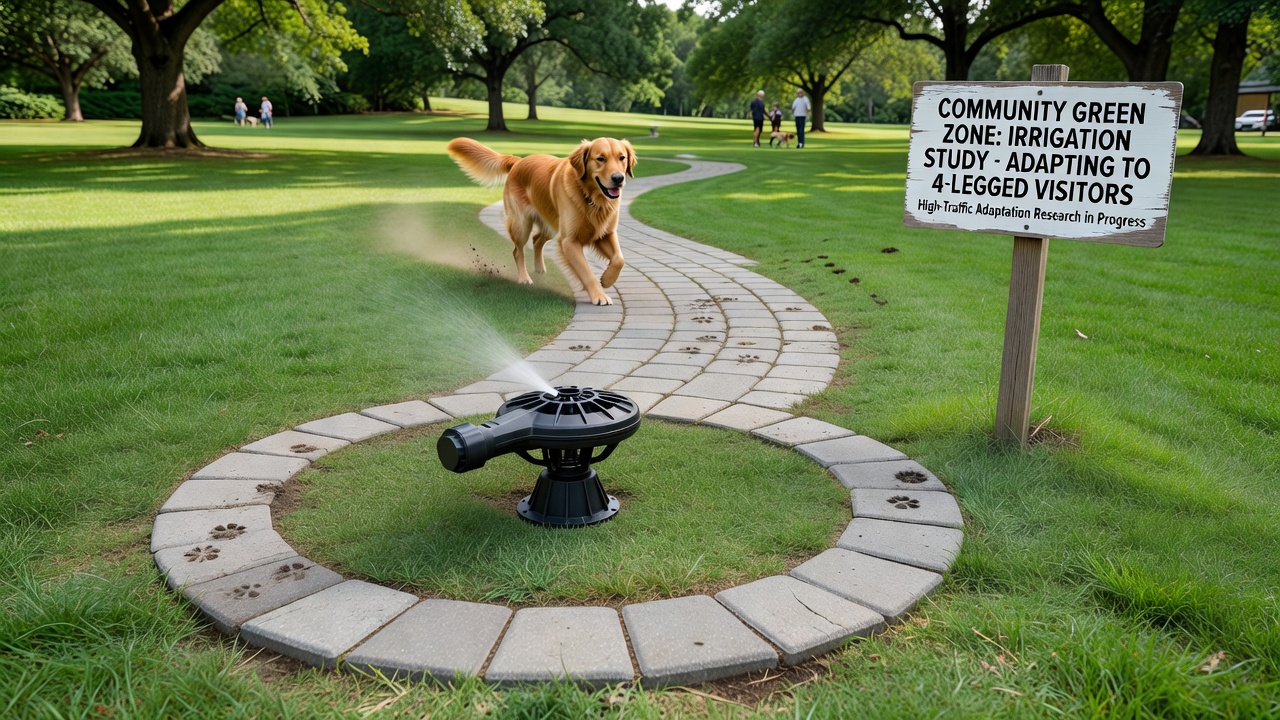
Community green zones that welcome dogs experience concentrated foot traffic from four-legged visitors, and this activity compacts soil while altering water infiltration rates in measurable ways. Researchers track these changes through soil core samples collected across multiple urban parks, and the data shows reduced permeability in heavily used zones compared with adjacent low-traffic areas. Irrigation planners respond by integrating pressure-regulated emitters, subsurface drip lines, and real-time moisture sensors that adjust delivery schedules based on observed compaction levels.
Soil Compaction and Water Movement Patterns
Dogs repeatedly traverse the same paths, and this repetition increases bulk density in the topsoil layer while decreasing pore space that normally allows water to reach root zones. Studies from municipal park departments indicate that infiltration rates can drop by up to forty percent in primary play corridors after two years of consistent use. Engineers counter these effects by installing aeration grids beneath the surface that create vertical channels for water and air exchange, and they pair these grids with variable-rate irrigation controllers that reduce run times on compacted sections to prevent pooling.
Material and Design Adaptations
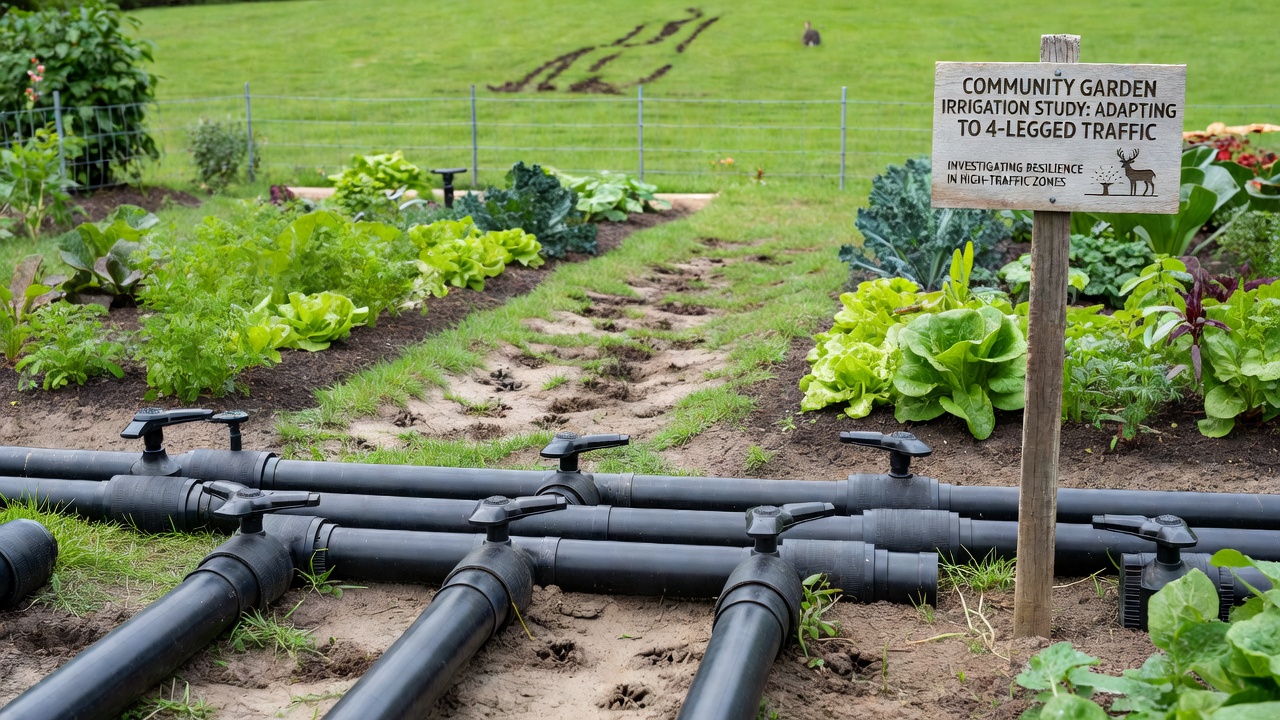
Standard polyethylene tubing degrades faster under repeated paw pressure and occasional digging, so system designers now specify heavier-wall drip lines and protective sleeves made from recycled composites. These components withstand surface abrasion while maintaining consistent flow rates, and field tests conducted in 2025 across three North American cities confirmed a thirty-five percent reduction in leak incidents compared with earlier installations. In addition, some projects incorporate geotextile barriers above the irrigation lines to discourage digging while still permitting water movement through the fabric matrix.
Sensor Integration and Data Collection
Modern systems embed soil moisture probes at multiple depths alongside motion detectors that register high-traffic periods, and the combined readings feed into algorithms that shift watering cycles away from peak activity times. A project completed in Calgary during the summer of 2025 demonstrated that this approach conserved roughly eighteen percent more water than fixed-schedule systems while keeping turf cover above ninety percent. Observers note that the same sensor arrays also flag areas where urine concentration has altered soil pH, allowing targeted flushing cycles that restore balance without overwatering surrounding zones.
Case Examples from Different Regions
Park managers in Melbourne, Australia, retrofitted an existing green zone with capillary irrigation mats beneath reinforced turf in early 2026, and subsequent monitoring revealed steadier moisture levels even after large weekend gatherings of dogs. In contrast, a Toronto pilot program focused on overhead rotary heads mounted on flexible risers that bend rather than break under impact, and those heads maintained coverage uniformity despite daily traffic spikes. Both installations shared one design principle: they separated the irrigation infrastructure from the most heavily trafficked surface layer through either burial depth or protective barriers.
Maintenance Protocols and Seasonal Adjustments
Maintenance crews now schedule quarterly inspections that include pressure testing and emitter cleaning, and they coordinate these visits with local dog-walking groups to minimize disruption. Data collected in October 2026 from several European municipal sites showed that pre-winter aeration combined with adjusted irrigation depths reduced frost-heave damage by nearly half compared with previous seasons. These protocols rely on documented usage logs rather than assumptions, and they allow crews to identify emerging problem areas before they require full system replacement.
Conclusion
Community green zones continue to evolve their irrigation infrastructure in response to documented patterns of canine traffic, and the resulting adaptations emphasize durable materials, sensor-driven scheduling, and layered protection for subsurface components. Ongoing monitoring programs supply the evidence base for incremental refinements, while cross-regional comparisons help identify which solutions transfer effectively between climates and usage intensities. These technical adjustments support sustained turf health and water efficiency without requiring major redesigns each season.