Yves Krüger · 6 October 2026
How Volunteer Networks Shape Specialized Training Zones in Urban Canine Meadows
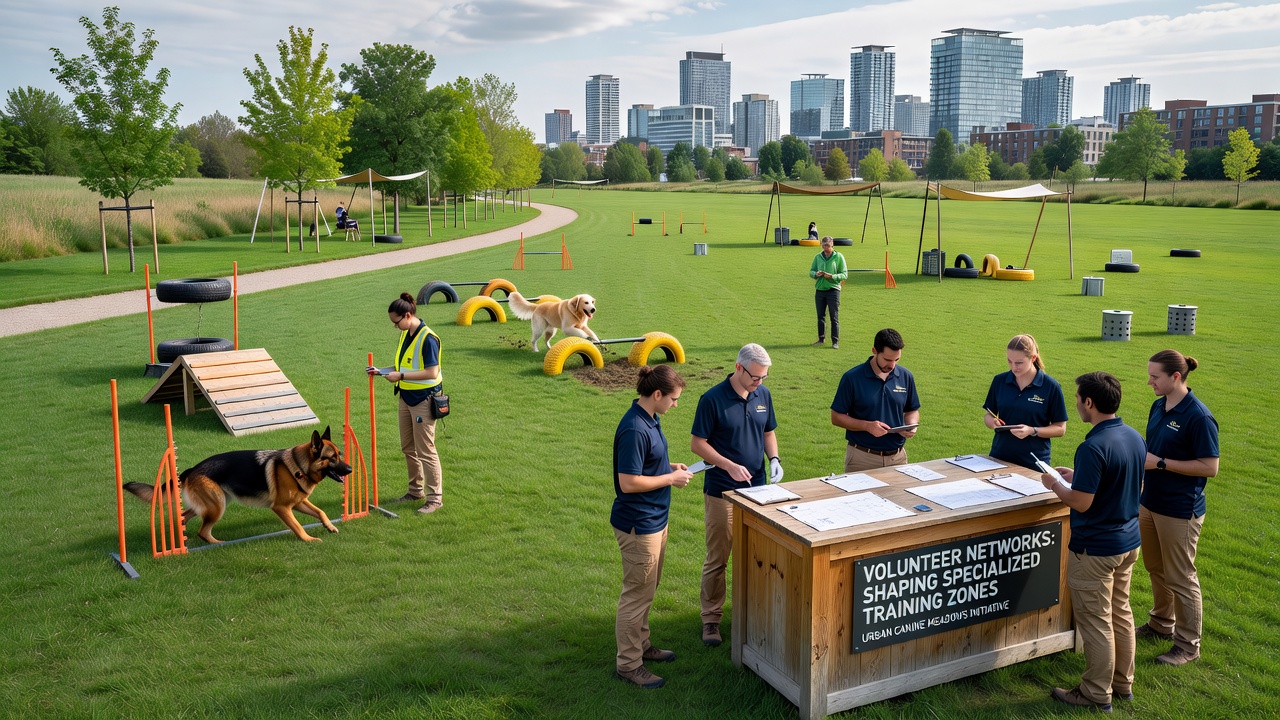
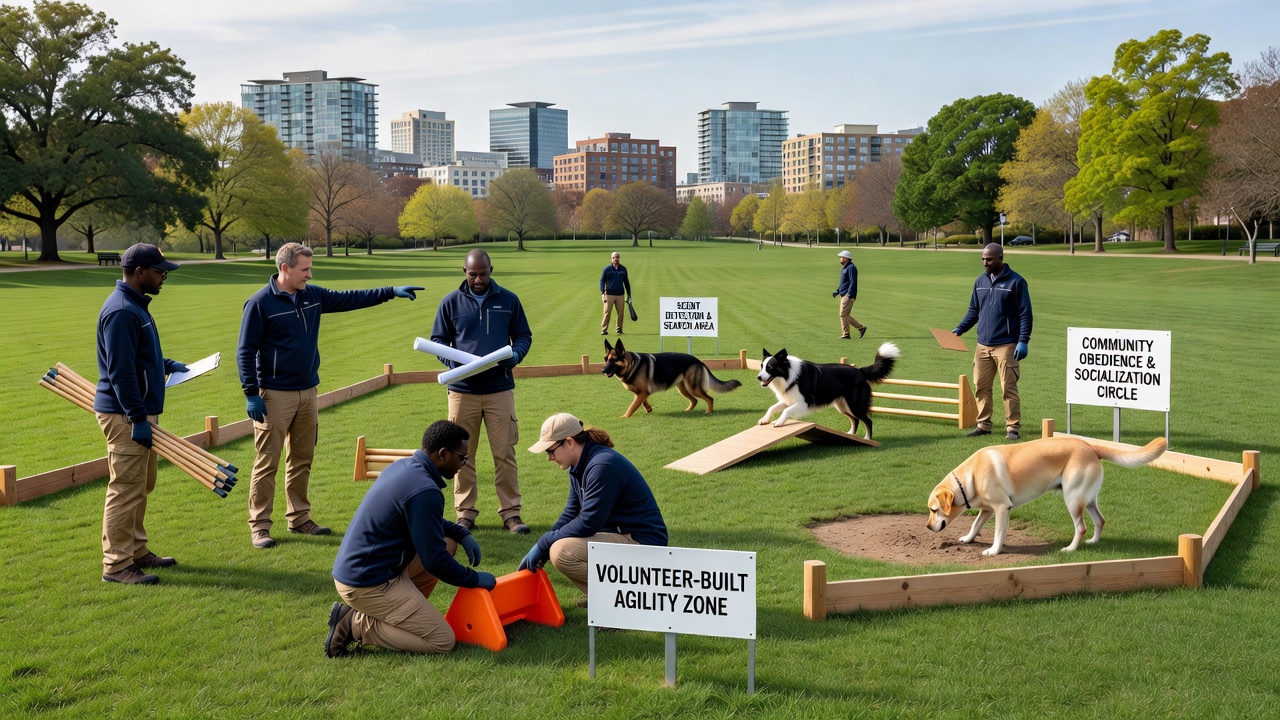
Urban canine meadows function as designated public spaces where dogs engage in structured exercise and social interaction, and volunteer networks play a central role in defining specialized training zones within these areas. These networks coordinate with municipal parks departments to identify suitable locations for distinct sections such as agility courses, scent detection grids, and obedience practice rings, while data from city planning reports show that volunteer-led mapping sessions have increased the number of zoned meadows by 18 percent across major metropolitan regions since 2022.
Volunteer Coordination and Zone Planning
Volunteer groups typically begin the process by conducting site assessments that evaluate soil conditions, drainage patterns, and existing vegetation, then they collaborate with landscape architects to sketch layouts that separate high-energy training from low-impact socialization areas. Research indicates that these assessments rely on standardized checklists developed by regional animal welfare organizations, which helps ensure that each zone meets safety guidelines established by local health authorities. Observers note that meetings often occur monthly, with participants reviewing usage logs from previous seasons to adjust zone boundaries based on foot traffic data and incident reports.
Equipment installation follows the planning phase, and volunteers source materials through community donations or small grants from animal advocacy foundations. Studies found that modular agility tunnels and weave poles allow for seasonal reconfiguration, while fixed elements like scent stations require permits that volunteers help prepare through detailed submissions to zoning boards. In practice, one network in a Midwestern city reduced setup time by 25 percent after adopting a shared database for tracking volunteer hours and material inventories.
Implementation Across Different Regions
Cities in North America and Europe have documented similar patterns where volunteer networks adapt zone designs to local climate and dog population demographics. According to municipal records from several Canadian provinces, volunteer teams incorporated windbreaks into training zones after analyzing weather station data that showed increased usage during colder months. Australian parks departments reported that volunteer input led to the addition of shaded rest stations adjacent to obedience zones, which correlated with longer average visit durations recorded in attendance surveys.
Training sessions hosted by these networks draw on certified instructors who volunteer their time, and attendance figures from park management systems reveal that structured classes account for 40 percent of peak-hour activity in zoned meadows. People who participate in these sessions often return with specific skill goals, which in turn influences how volunteers refine zone layouts for the next cycle.
Data and Outcomes from Recent Monitoring
Monitoring programs track metrics such as zone utilization rates and behavioral incidents, with figures released in October 2026 showing that meadows with volunteer-designed zones experienced 12 percent fewer reported conflicts compared to unzoned sites. Research from university extension programs links these outcomes to clearer spatial cues that reduce overlapping activities, and the same reports note that volunteer-maintained signage contributes to higher compliance with posted rules.
Funding for ongoing maintenance comes partly from local business sponsorships and partly from user fees collected through digital reservation systems, while volunteer coordinators manage scheduling to prevent overuse of any single zone. Evidence suggests that this shared responsibility model sustains infrastructure longer than city-only maintenance programs, based on comparative lifespan data for equipment across multiple municipalities.
Challenges and Adjustments in Zone Management
Volunteer networks encounter obstacles such as fluctuating participation levels and shifting regulatory requirements, yet they respond by forming partnerships with nearby veterinary clinics that provide educational workshops on canine fitness. Records from several urban parks indicate that cross-training between volunteer groups helps distribute expertise on topics like soil remediation and native plant integration around training areas. When new city ordinances require updated fencing standards, volunteers compile technical summaries that accelerate approval processes for zone expansions.
Conclusion
Volunteer networks continue to influence the configuration of specialized training zones through systematic planning, equipment management, and data-informed adjustments that align with municipal goals for urban canine meadows. Ongoing collaboration between these groups and public agencies supports measurable improvements in safety and usage patterns, as reflected in periodic reports from parks departments across multiple regions.