Yves Krüger · 3 November 2026
Adaptive Landscape Design Strategies for Sustaining Vegetation in Heavily Used Pet Exercise Zones
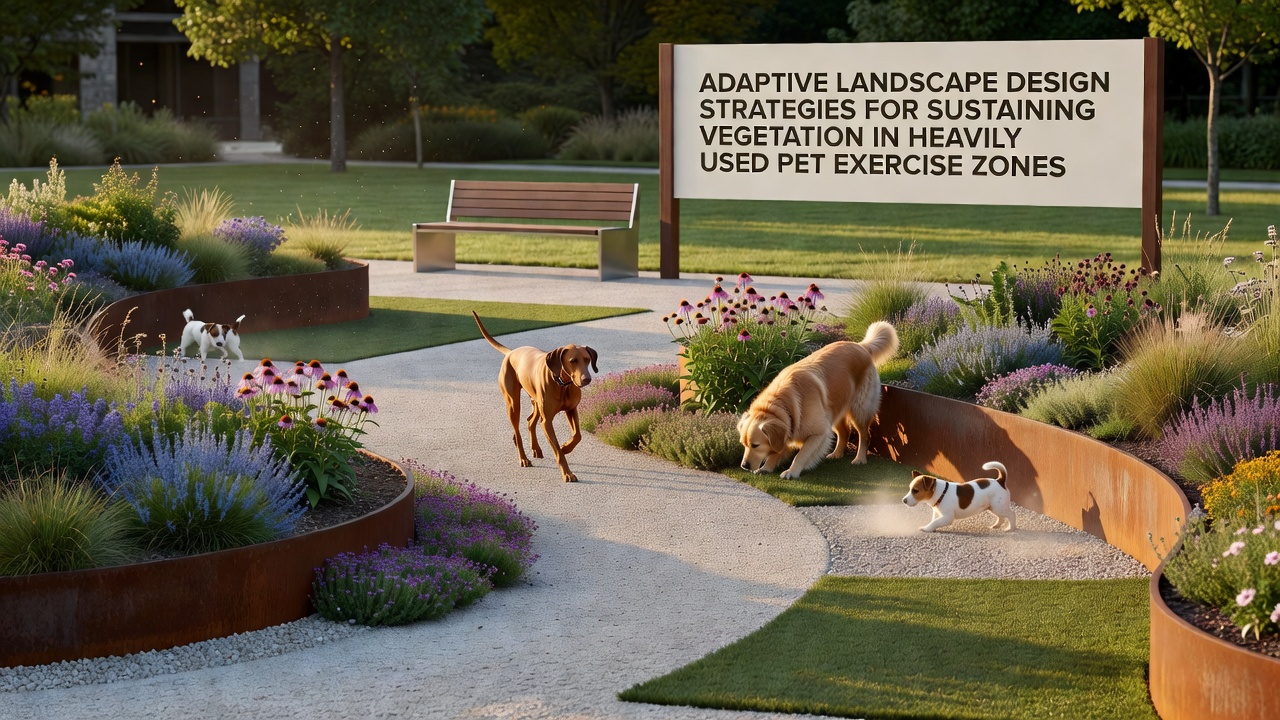
Pet exercise zones face constant pressure from paws, claws, and repeated use that compacts soil while stripping away plant cover, yet landscape architects have developed targeted approaches to keep vegetation intact even in high-traffic settings. These methods combine plant selection with physical reinforcements and scheduled rest periods so grass and ground covers can recover between visits. Cities across multiple continents now apply these techniques in municipal dog parks and community meadows where daily animal activity reaches several hundred visits.
Soil Reinforcement and Surface Preparation
Heavy use begins with soil compaction that prevents root growth and water infiltration, so designers start by installing structural soil mixes or grid systems beneath the surface. These grids allow roots to expand while supporting weight from running animals, and they reduce erosion during rain events. Data collected through November 2026 from monitored sites in North America and Europe shows that reinforced plots retain 40 percent more vegetative cover than untreated controls after two years of operation. Engineers often layer geotextiles or cellular confinement products directly under turf to distribute pressure evenly across the root zone.
Preparation also includes grading that creates gentle slopes for drainage while avoiding low spots that collect urine and feces. Such features prevent localized die-off and keep microbial activity balanced in the topsoil. Observers note that sites prepared this way require fewer reseeding interventions over a five-year cycle.
Resilient Plant Selection and Species Diversity
Plant choice determines long-term survival rates because not every grass or ground cover withstands abrasion and nitrogen loading from pet waste. Tall fescue and certain clover varieties demonstrate strong recovery after trampling, while native sedges and low-growing forbs add biodiversity that supports pollinators between peak usage hours. Research from the University of Melbourne on urban green spaces highlights how mixed plantings outperform monocultures in high-traffic environments by maintaining ground cover through seasonal stress periods.
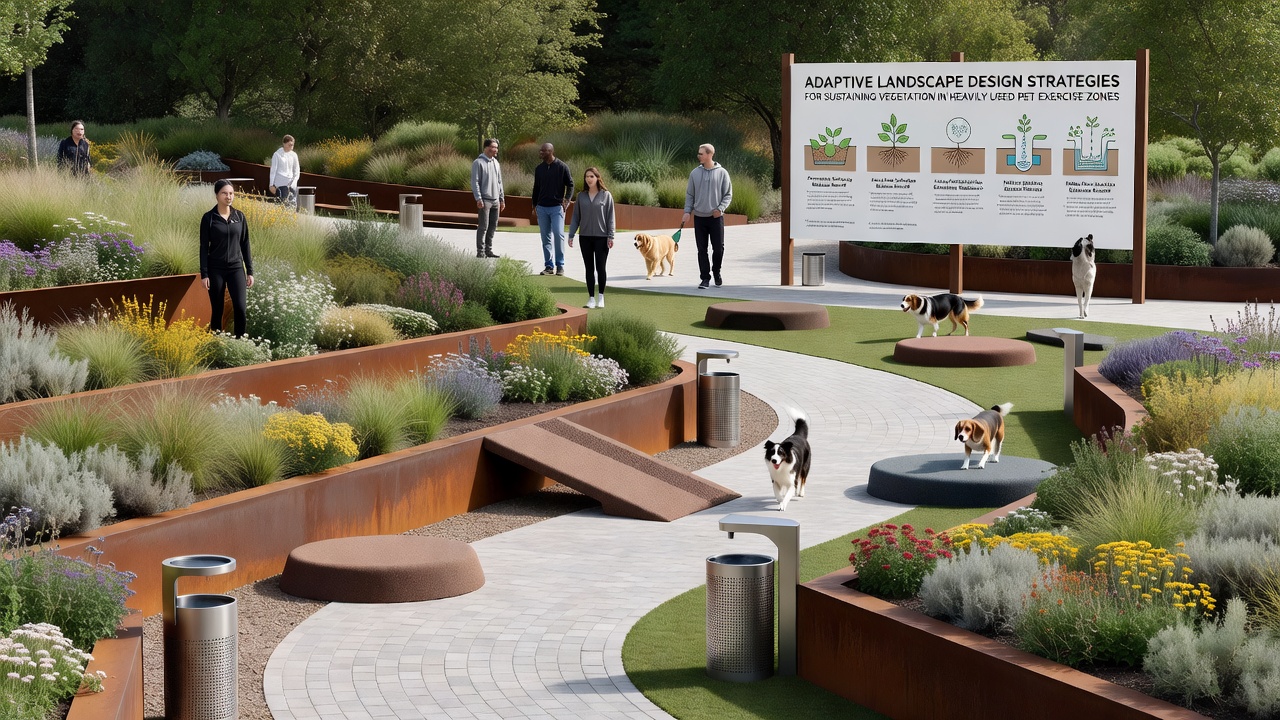
Designers space plantings in clusters rather than uniform spreads, leaving buffer strips that receive lighter use and serve as seed sources for damaged areas. This pattern encourages natural recolonization after heavy weekends or holiday surges in park attendance.
Usage Rotation and Rest Periods
Dividing large exercise fields into smaller paddocks allows managers to close sections on a rotating schedule so vegetation regrows without total site shutdown. Signs and temporary fencing direct visitors to active zones while rested areas recover root mass and leaf density. One study revealed that four-week rest intervals combined with light overseeding restored cover to 85 percent of original levels in tested meadows. The approach works best when paired with clear communication to regular users about which sections remain open each month.
Irrigation, Drainage, and Nutrient Management
Targeted irrigation systems deliver water to root zones without encouraging shallow rooting that fails under traffic, and soil moisture sensors help operators avoid overwatering that softens surfaces. Drainage improvements such as French drains or permeable paving along pathways prevent standing water that damages turf edges. According to guidelines from the U.S. Environmental Protection Agency on green infrastructure, integrated stormwater features in recreational landscapes reduce runoff while supporting plant health in compacted soils.
Nutrient management focuses on diluting concentrated waste through regular rinsing stations and by incorporating carbon-rich amendments that balance nitrogen spikes. These steps keep pH levels stable and limit salt buildup that burns vegetation.
Monitoring, Maintenance, and Long-Term Adaptation
Regular assessments track vegetation density, soil compaction, and species composition so adjustments occur before damage becomes widespread. Drone surveys and on-ground transects provide quantitative data that informs when to aerate, fertilize, or reseed specific plots. Adaptive strategies evolve as usage patterns shift with new neighborhood demographics or seasonal weather changes.
Maintenance crews often combine mechanical aeration with biological inoculants that improve soil structure and microbial activity. This combination sustains root systems through repeated disturbance cycles. Communities that adopt these monitoring loops report fewer full renovations and steadier vegetation coverage across multi-year periods.
Conclusion
Effective vegetation management in pet exercise zones relies on layered strategies that address soil structure, plant resilience, rotational access, and ongoing data collection. Cities implementing these approaches maintain functional green spaces that support both animal activity and ecological health without frequent major replacements. The techniques continue to refine as new materials and monitoring tools become available.